Furniture Moving in Canada — Plan Your Moving Quote
Tell us about the size, material, assembly needs and access for your furniture so the move can be assessed accurately.
Request a Moving Quote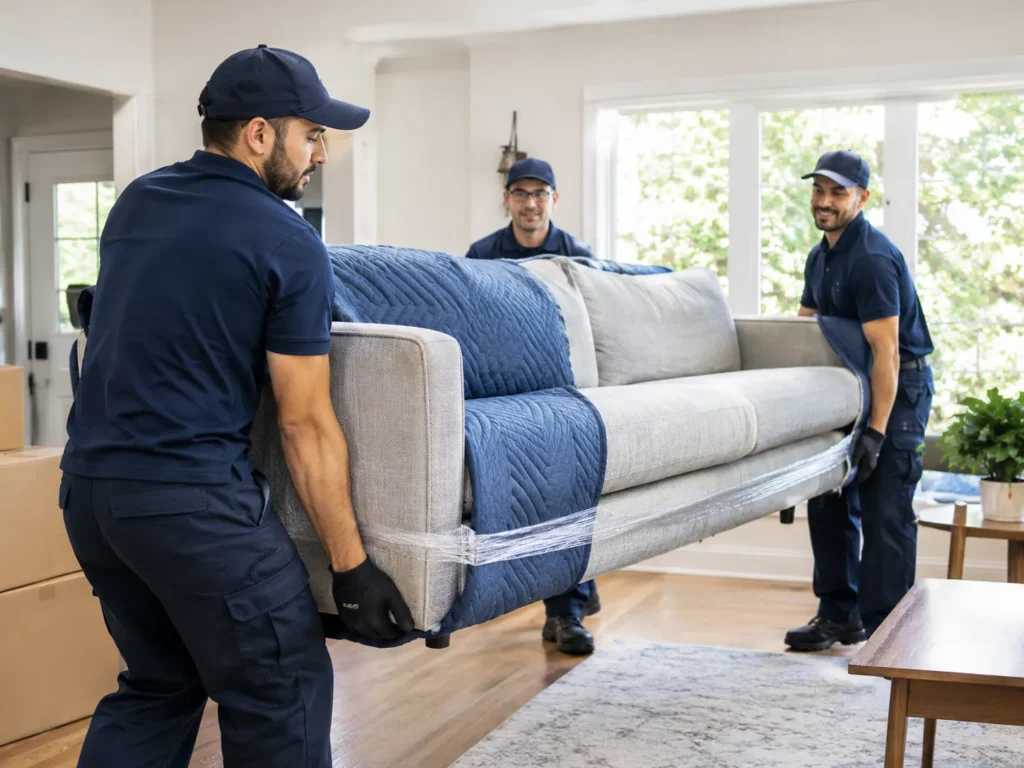
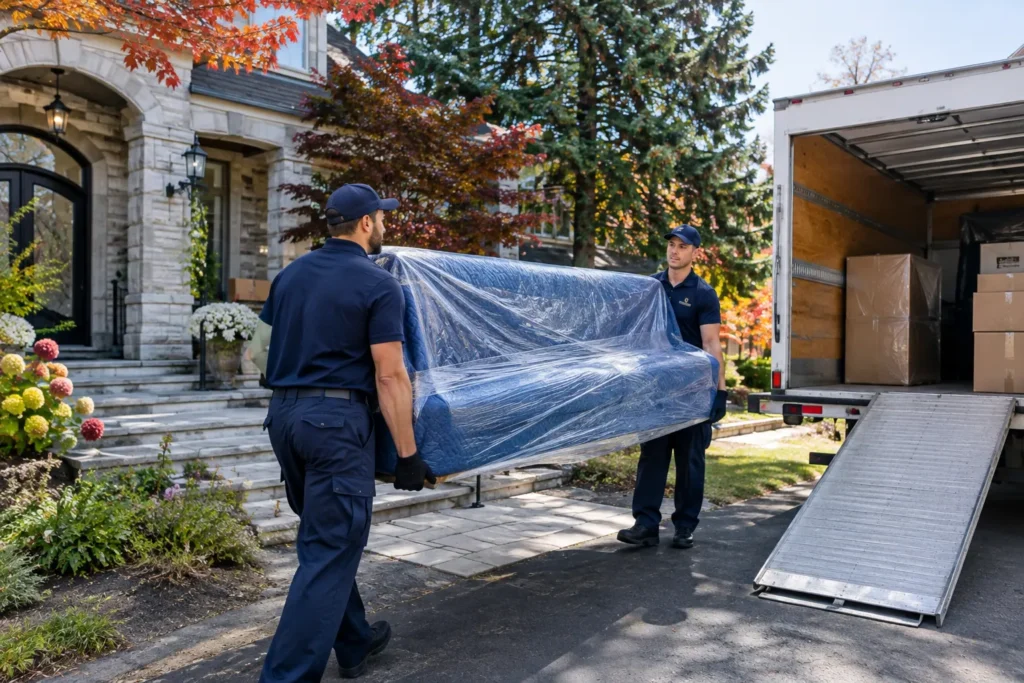
Illustrative moving images
Furniture Movers: Scope, Access and Written Estimates
Classify the furniture before choosing the transport
A furniture move might involve a single sectional sofa bought from a seller, an entire room of matching pieces or an antique cabinet that cannot be safely tilted. Describe what is being collected, including overall dimensions, approximate weight, glass or stone surfaces, loose shelves and whether any item is already dismantled. Distinguish items going to the new property from those being delivered to storage or another recipient. A broad request for furniture movers does not establish that every piece fits the vehicle, doorway or available equipment. Send a measured list so the proposed crew and handling method can be assessed rather than inferred from the distance between addresses. For second-hand purchases, agree with the seller which pieces are included and whether the carrier may inspect access before loading. Photograph the tabletop, upholstery and vulnerable corners in the presence of the releasing person where practical. A glass top, detachable mirror or stone insert needs to be listed separately so the proposed handling method and packaging can be assessed. The accepted collection window should allow time to confirm each item rather than assuming it is already at the curb. A useful inventory also identifies whether a piece is solid wood, particleboard, upholstered, glazed or made from separate modules. Provide the number of matching chairs and loose shelves, not just the name of the room. If the item is already damaged, record its condition before handling. For a large sectional, indicate how many sections detach and whether access permits them to be carried separately. Ask the company to confirm the actual crew and vehicle suitability for the combined inventory.
Measure the whole carrying path, not just the item
A sofa that fits inside a room may still fail at a landing, lift opening or tight entry corridor. Measure both the furniture and the narrowest doorway, stair turn and elevator compartment at collection and delivery. Describe ground-floor access, steps, vehicle parking distance and whether a lift must be booked. Photographs of a constrained staircase or the intended truck stop can help the company evaluate feasibility. A damaged bannister or blocked fire exit should not be treated as an acceptable shortcut. If an item cannot pass safely, ask about approved dismantling, suitable specialist handling or declining the transport before agreeing a time. Measure the usable width and height after accounting for a door frame or handrail, and photograph the narrowest landing from each direction. At a destination apartment, check lift depth and opening dimensions separately: a long object may enter the lobby but still fail to fit the lift. If the building has a designated loading entrance or requires floor coverings, provide its written instructions with the enquiry. The provider must assess the actual route and decide whether the proposed carry is safe. For an awkward piece, sketch the route: note clear doorway widths, landing turns, the lift opening and its internal depth. A room measurement alone does not show whether a cabinet can turn through the passage. List removable obstructions separately from structural restrictions and consult the building manager before moving a door or rail. Send the sketch with photographs, identifying estimated dimensions, so the provider can assess whether a visit or specialist assistance is needed.
Identify wrapping, disassembly and surface protection separately
Furniture protection may involve blankets, edge guards, stretch film, mattress covers or a rigid crate, depending on the object's finish and construction. Wrapping an upholstered chair differs from securing a glass-topped table or an antique veneer cabinet. Ask whether the quote includes bringing these materials and who is responsible for removing doors, legs or drawers. Reassembly at delivery is not automatic. Appliances or wall-fixed items requiring regulated disconnection need separate assessment. Make sure the agreement identifies who packs any loose hardware and whether it is attached, labelled or handed directly to the receiver. Ordinary protection is not proof of an insurance policy. For a flat-pack wardrobe, note whether the manufacturer permits it to be dismantled and moved again. Separate drawers or shelves only when appropriate to the construction; label fittings and keep them with the agreed inventory. If a mirror, stone top or fragile finish needs a specialist packing method, disclose that before accepting a quote. Ask who supplies any protective materials and who will reassemble accepted components in the destination room.
Decide how multiple pickup or receiving stops affect scope
A furniture-only job may involve buying a used dining set, collecting another item from storage and delivering both to an upstairs home. Record each address, access window and the person able to release or receive the goods. A private seller may require a narrow collection slot; an apartment building may prohibit loading after certain hours. Ask whether the carrier accepts the extra stops, and whether added handling, travel or waiting will be charged under the proposed price. Do not assume the crew will inspect the seller's property or that every object is ready for transport at collection. Write down each seller or storage contact and the latest time they will release the item. If the buyer cannot attend, nominate a person authorized to confirm the piece and its visible condition. For separate delivery stops, label goods by recipient and ask the provider how it records handover at each address. Notify the carrier if a seller changes the collection window, because waiting or re-routing can affect the agreed service and price. For example, a customer may buy a dining table from one seller and chairs from another, then deliver both to a third-floor apartment. Give each seller's release window and contact, list the pieces at each stop and measure the apartment entrance and lift. Ask the provider whether collection, wrapping and room-level placement are accepted together, and how waiting or a changed pickup window would affect the written offer. The scenario is an example; it does not establish a fixed rate or guaranteed availability.
Understand the quotation and delivery record
Request a written description of accepted items, packing, lifting, travel, unloading and final placement. Check the stated price basis, any minimum, vehicle charge, taxes, wait time and change procedure, rather than relying on a generic furniture-move rate. For fragile or valuable objects, ask for the applicable liability document and note condition before pickup. Use a numbered item list for multi-piece sets and ensure the recipient knows where each piece belongs. An enquiry through this page does not reserve a vehicle or establish availability until the company directly confirms the proposed job. Compare offers using the same measurements, access description and destination placement. Request a written breakdown showing whether the price covers carrying, vehicle, protective materials, extra stops and applicable taxes, together with any minimum or cancellation conditions. Before payment, check the actual liability terms and the procedure for reporting damage. At delivery, reconcile each piece and record exceptions with the receiving person; a form submission alone does not reserve a crew.
Compare Relevant Moving Services and Request a Written Quote
For an individual sofa, antique cabinet or fragile dining set, compare item-level handling and protective wrapping before requesting transport. Use the nearby service pages to distinguish ordinary household moving from packing assistance, then send precise furniture measurements, loading access and final-room placement requirements for a written assessment.
Questions About Furniture Movers
Can one large sofa be quoted without a full-house move?
Yes, you can request an item-level assessment. Provide the sofa's dimensions, the collection and receiving addresses, floors, lift or stair restrictions and the person who can release it. Ask whether protective wrapping, transport and placement inside the destination are included in the written offer.
Should table legs be removed before loading?
That depends on the table's construction, fittings and the route through both properties. Provide photographs and dimensions, and ask whether the provider accepts dismantling and reassembly. Keep hardware labelled with the table, and do not assume a glass or stone top can be separated safely without an item-specific assessment.
How do I describe a marble dining table?
Provide the top and base dimensions, approximate weight, condition photographs and whether the pieces can be separated. Measure doors, lift openings and stair turns at both ends. Ask whether specialist handling and protection can be accepted and which liability terms apply to the item.
Can furniture be collected from a private seller?
You can request collection from a seller. Supply the address, item dimensions, condition, authorized release contact and collection window. Confirm who will receive it and where it should be placed. Ask the provider to accept the third-party pickup and explain any waiting or additional-stop terms.
What happens if an armchair does not fit the elevator?
Measure the chair, lift opening, internal lift space and the stair route before booking. Share photographs of tight turns with the provider and building contact. Ask whether an alternative safe route is permitted and accepted, and whether any change affects the quote or moving window.
Are moving blankets included for all pieces?
Ask the provider which coverings are supplied for your particular furniture and whether their use is included in the offer. Identify delicate finishes, glass or vulnerable corners before booking. Wrapping is a handling measure; review goods-protection terms separately for the shipment.
Can a glass display cabinet travel assembled?
Ask for an item-specific assessment. List removable shelves, doors and glass panels, provide measurements and condition photographs, and describe the stairs and openings at both ends. Confirm which parts must be prepared separately and what protective materials and handling are included in the written scope.
Do furniture movers also disconnect appliances?
Do not assume plumbing, gas or electrical disconnection is included with carrying and transport. Identify the appliance and ask what preparation is required. Arrange appropriately qualified help where needed, and agree who will prepare it at collection and reconnect it at the destination.
How should a mirrored wardrobe be measured?
Record the complete dimensions, removable parts and the narrowest door, lift opening and stair turn at both ends. Photograph the wardrobe and its condition, and ask whether dismantling and protection of mirrored surfaces are accepted. Keep fittings labelled if the work is agreed.
Can multiple purchased items have separate pickup points?
You can request a route with several sellers. Provide each address, release contact, pickup window and item list, including dimensions and access restrictions. Ask the provider to accept the full sequence and identify any additional travel or waiting charges before confirming with the sellers.
Is furniture wrapping the same as goods insurance?
No. Wrapping is a physical measure used to reduce some handling risks; liability and insurance depend on the applicable written terms. Ask what protection is included for the piece, then review the coverage, exclusions, deductibles and reporting procedure for the actual shipment.
Can old furniture be taken away for disposal?
Disposal is separate from ordinary relocation. Identify the pieces, their location and intended disposal or recycling destination, and ask whether the provider accepts that work. Confirm any handling and charges in writing, and clearly distinguish those items from furniture going to the new property.
Who confirms the receiving furniture placement?
Nominate an authorized person who can unlock the property and direct the crew to the correct rooms. Give that person the accepted item list and tell the provider if carrying beyond the entrance is required. Check placement and visible condition at delivery under the agreed handover process.
What if a staircase has a sharp turn?
Measure the usable landing and the narrowest points around the turn, then share photographs and item dimensions with the provider. Ask whether a safe carry or agreed dismantling is feasible. Check property instructions before relying on a different entrance or route.
Can a mattress move without a bed frame?
You can request transport for a mattress alone. Provide its dimensions, collection and receiving floors, and any stair or lift restrictions. Ask what cover or protection is needed and whether carrying into the destination room is included; list the frame separately if it is also moving.
Do I need to empty cabinet drawers?
Ask for instructions based on the cabinet's construction, weight and carrying route. Remove loose, fragile or valuable contents unless another arrangement is agreed, and identify drawers or doors that could move during handling. Tell the provider about any particularly heavy contents before it assesses the job.
Is truck parking included in a furniture quotation?
A quote does not itself grant parking permission. Identify the private loading position or lawful street stop at both addresses and share any time or vehicle restrictions. Agree who will check access and whether the resulting carrying distance is included in the proposed work.
How are antiques assessed differently?
Describe the item's dimensions, finish, fragile joints and existing condition, and provide photographs of the carrying route. Ask whether a specialist assessment, particular packaging or separate handling is needed. Review the accepted scope and applicable protection terms before relying on the service for the piece.
Can the crew wait for a delayed seller?
Notify the seller and provider promptly if the release window changes. Ask how the actual proposal treats waiting, cancellation or a revised pickup slot, and request a written adjustment if the plan changes. Do not assume the vehicle can wait indefinitely.
What should I retain after a furniture delivery?
Keep the accepted quote, item list, condition photographs, delivery record, receipt and any written changes. The authorized receiver should check placement and note visible concerns using the applicable handover procedure. Contact the responsible provider and follow the agreement if an issue requires reporting.
Contact Our Moving Team
Have a question about your move? Reach our team directly or provide your inventory and property details to request a quotation.
Assess furniture bought from different sellers
Collecting furniture from several sellers creates a different job from moving a furnished room. Each seller may have a narrow collection window, uncertain measurements or limited help on site. List every item against its collection address and confirm the seller has agreed to release it to your nominated representative.
Request clear photographs of the complete item and the route out of the property. Include whether drawers, shelves or detachable legs can be removed according to the product construction. Confirm the receiving room before purchase if fit is uncertain. The moving enquiry should distinguish transport from any dismantling, packaging or assembly you would like assessed; a collection appointment does not establish that a piece will fit your home.
- Tie each item to a seller contact and collection window.
- Verify measurements before committing to an unsuitable purchase.
- Disclose every stop and any preparation still required.
A question about this planning decision
What should I confirm before booking collection of used furniture?
Confirm the item dimensions, ownership or release permission, collection window and the seller’s access conditions. Obtain photographs of the item and carrying route and measure the intended destination. Ask for transport, protective preparation and any furniture work to be specified separately. Resolve purchase and payment arrangements with the seller rather than assuming the moving team handles them.
Related guidance: Single-Item Movers · Furniture Disassembly and Assembly