How to Protect Furniture During a Move
Photograph visible scratches, joints, glass, veneer, upholstery and projecting handles. Identify loose components and decide whether drawers or doors need securing or removal according to manufacturer guidance. Make note of any antique or fragile finishes before handling.
Request a Moving QuoteHow to Protect Furniture During a Move: Practical Decisions and Checklist
Document existing condition before wrapping
Choose protection appropriate to the surface
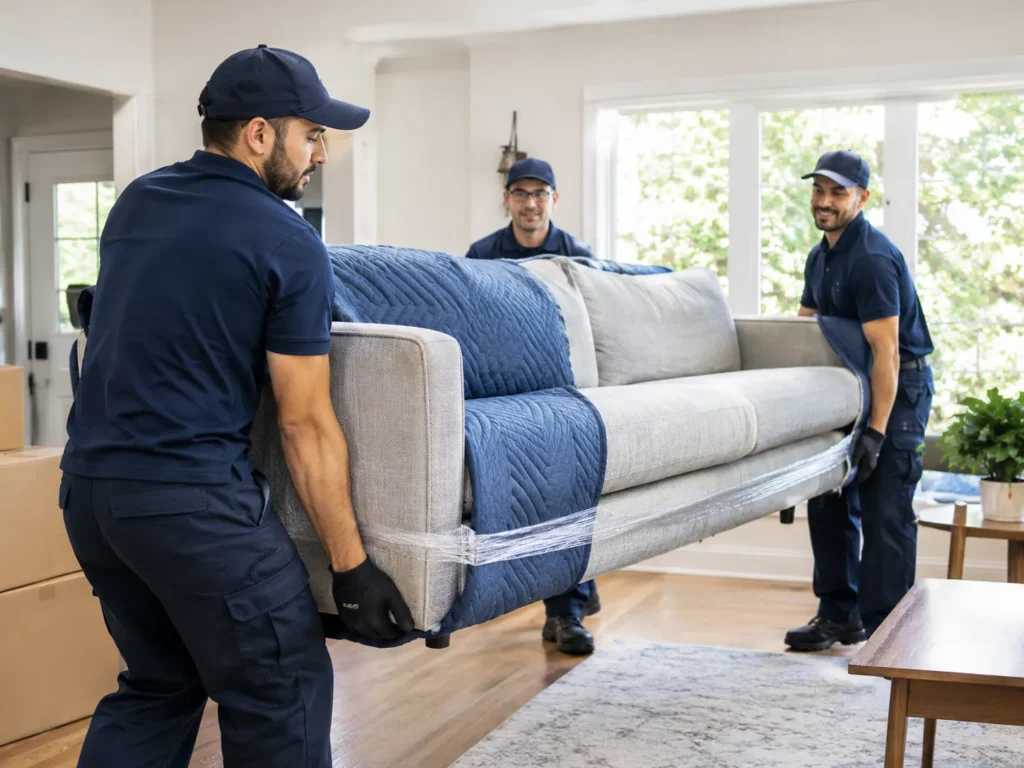
Soft wrapping may protect upholstery, while rigid edge protection may be needed for tabletops and corners. Avoid adhesive tape directly on polished, painted or delicate surfaces. Protect floors and entrances as well as the item itself where loading routes are narrow.
Clarify disassembly and responsibility
Confirm who will dismantle furniture, store bolts and reassemble it at delivery. Measure the item and access route before booking, especially for large wardrobes or sectional pieces. Ask for the actual written handling and protection terms for high-value goods.
Action Checklist: How to Protect Furniture During a Move
- Photograph valuable surfaces and joints
- Use surface-safe protective materials
- Keep fittings labelled with each item
- Confirm disassembly and reassembly scope
Contact Our Moving Team
Have a question about your move? Reach our team directly or provide your inventory and property details to request a quotation.
Protect furniture through a complete handling plan
Record construction and existing condition
List each substantial piece with its dimensions, known construction and relevant condition photographs. Identify loose components, repaired joints, delicate surfaces and unusual materials without testing or dismantling them simply for the enquiry. A photograph of the front may not show a vulnerable back, underside or fitting. Ask what further information is needed before preparation is accepted. Keep valuable or uncertain pieces outside a presumed ordinary furniture scope until the provider or appropriate specialist has assessed the handling required.
Choose preparation around the object and route
Protective wrapping, detachable-part preparation and carrying equipment serve different purposes. Do not assume a blanket solves an unsuitable stair route or that a removable-looking piece can safely be taken apart. Provide dimensions and photographs of doors, turns and receiving access as well as the furniture. Ask who supplies the accepted materials and performs any preparation. Specialist surface, conservation or installation questions need appropriate input. The plan should explain the work accepted for the particular piece rather than promising that one method protects every item.
Keep protection and responsibility as separate checks
Ask about the applicable liability or insurance terms independently of the materials used. Identify who records condition, retains hardware and checks final placement. If another person receives the furniture, give them the same item references and room plan. Follow the actual agreement when recording a visible exception and keep relevant documents. Do not treat a carefully wrapped item as proof of a particular policy or a delivery signature as a substitute for checking the agreed work. Clear preparation and clear responsibility support different parts of the decision.
Working checklist
- Identify dimensions and vulnerable construction.
- Record condition before preparation.
- Assess the complete carrying route.
- Clarify wrapping and component responsibilities.
- Keep fittings matched to the item.
- Give the receiver the agreed placement plan.
Questions about this guide
Does wrapping make furniture suitable for any doorway or stair?
No. Protective preparation and route suitability are different questions. Supply furniture dimensions and details of the narrowest turns, openings and receiving route. Ask whether preparation or specialist handling is required before accepting the move. Wrapping does not resolve an unassessed fit problem or establish that forcing a piece through is appropriate.
Should I remove parts before the provider has assessed the item?
Use the relevant product instructions and agreed preparation plan rather than removing parts merely because they appear detachable. Disclose fragile joints, repairs and uncertainty. Ask which tasks are accepted and who retains the fittings. Some construction needs specialist advice or should not be treated as ordinary repeat disassembly.
What condition photographs are useful?
Photograph the whole piece and relevant existing marks, vulnerable areas or known repairs without disturbing fragile parts. Connect the images to a named inventory item and retain them with the accepted documents. Ask what further assessment is required. Photographs support a condition record; they do not establish value or replace the actual protection terms.
How should hardware be kept during furniture transport?
Link removed fittings and components to the specific furniture reference and identify who retains them through the journey. Keep available instructions with the relevant records. Do not mix similar-looking connectors between pieces or assume replacements are included. Any dismantling and reassembly responsibilities should be accepted explicitly in the service scope.