Best Packing Materials for Moving
Small rigid cartons suit books and other dense goods; larger cartons are better for light, bulky possessions. Check whether the box can support its contents without bowing or tearing. Avoid relying on damaged, damp or unusually thin cartons for delicate items.
Request a Moving QuoteBest Packing Materials for Moving: Practical Decisions and Checklist
Match the container to the load
Use cushioning for the actual failure mode
Glass and ceramics need separation between hard surfaces, electronics need screen and connector protection, and furniture finishes may need soft wrapping. Choose materials that prevent movement without applying pressure to fragile areas. Packaging should not prevent safe lifting or block ventilation requirements for specific items.
Account for cleanup and waste
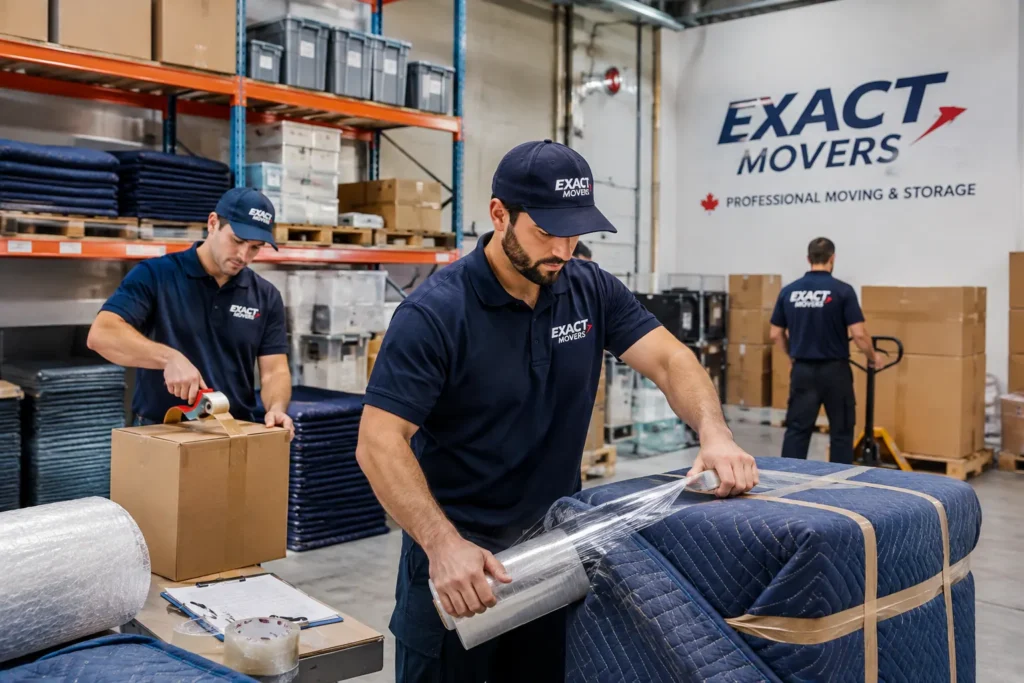
Include suitable tape, labels, covers and protective materials in your materials plan. Ask whether the mover supplies them and whether spent materials will be taken away or recycled. When reusing cartons, remove old delivery labels to prevent confusion and privacy exposure.
Action Checklist: Best Packing Materials for Moving
- Choose strong cartons for the right weight
- Protect fragile surfaces from pressure
- Use clear destination labels
- Plan disposal or reuse of materials
Contact Our Moving Team
Have a question about your move? Reach our team directly or provide your inventory and property details to request a quotation.
Choose packing materials for the object and task
Start with a material requirement rather than a shopping list
Assess what each group needs: containment, surface protection, separation, edge support or specialist preparation. A list of popular supplies is not a universal answer for every object. Identify fragile finishes, dense goods and unusual shapes before estimating quantities. Ask for guidance relevant to construction where the correct material is uncertain. Keep items needing specialist assessment separate from ordinary carton planning. More wrapping is not automatically a substitute for the right support or a suitable container.
Evaluate supplies already available
Check reused cartons and protective materials for condition, cleanliness and suitability before counting them as ready. Damaged or inappropriate supplies can create a last-minute shortfall even when the quantity looks sufficient. Separate what your household provides from what you want a packing provider to bring. Ask for types and quantities to be identified in the proposal and clarify how extra materials are authorized. Keep tape, labels and other working supplies accessible without placing them in an already sealed essentials carton.
Match materials to the accepted service
A supplies request, packing appointment and moving service can be separate arrangements. Clarify whether the quote covers materials alone, their collection or delivery, packing labour or later packaging removal. Identify maker guidance for appliances or electronics rather than applying a general household method to technical equipment. Keep any relevant packaging records with condition notes and the inventory. A particular brand or product category does not establish professional preparation, item acceptance or insurance coverage for the shipment.
Working checklist
- Group items by their actual protection needs.
- Check the condition of reused supplies.
- Separate household-provided and requested materials.
- Identify unusual objects for assessment.
- Clarify supply delivery and labour separately.
- Agree the process for extra material quantities.

Questions about this guide
Are stronger cartons always the only material I need?
A suitable carton is one part of preparation. The object may also need appropriate separation, support or surface protection, and some items require specialist assessment. Choose materials around the actual construction and handling rather than assuming one carton type solves every need. Ask for relevant guidance when the correct preparation is uncertain.
Should I reuse boxes from a previous move?
Assess their present condition, cleanliness and suitability for the intended contents before relying on them. Keep damaged or uncertain supplies outside the ready-to-use count. If a packing provider is involved, explain what you plan to supply and ask whether it is accepted for the proposed work rather than assuming quantity alone makes the materials suitable.
Does a quote for supplies include someone packing the goods?
Not automatically. Clarify whether the proposal concerns materials only, collection or delivery of supplies, packing labour or a combined service. List the rooms and objects needing help and ask which materials and tasks are accepted. Separate those responsibilities so a delivery of cartons is not mistaken for a scheduled packing visit.
Can buying premium materials guarantee damage compensation?
No. Material choice and the actual liability or insurance arrangement are separate matters. Ask about preparation suitability for the object and review the documents relevant to your accepted service. Identify unusual or valuable belongings before booking. A product description or price does not establish a policy, a claim outcome or provider acceptance.