Commercial Movers in Ottawa — Moving Quote Enquiries
Planning commercial movers in Ottawa? Share the inventory, property details, access conditions and moving date to discuss your requirements. Location coverage must be confirmed.
Request a Moving Quote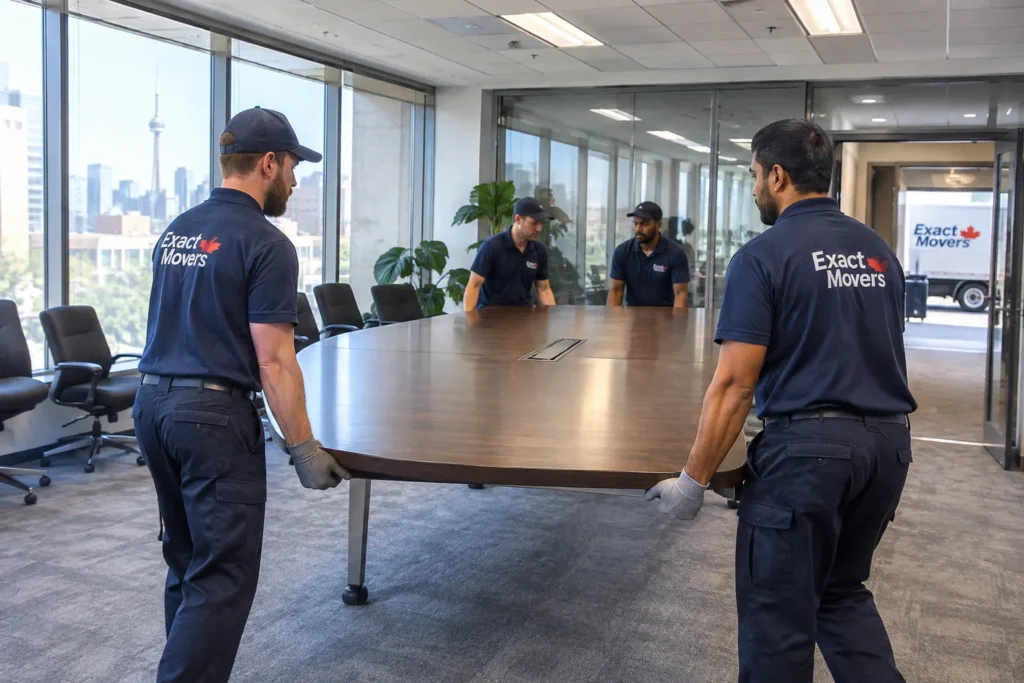
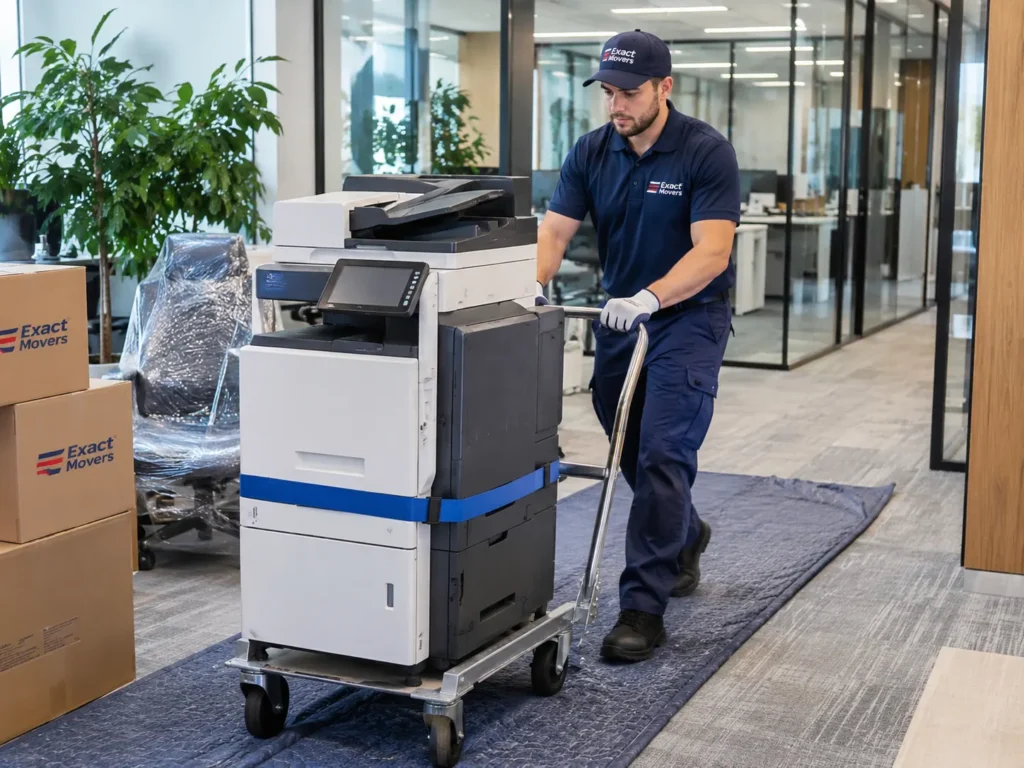
Illustrative moving images
Commercial Moving in Ottawa: Plan the Business Relocation Scope
Commercial moves may involve equipment, inventory and premises with controlled access. Prepare a concise move brief before comparing quotations.
Business inventory and handling
Separate desks and general furniture from machines, stock, displays and delicate equipment. Include dimensions or handling notes for unusually heavy items.
Site access and security
Confirm goods entrances, loading docks, landlord permissions and the people authorised to provide building access at each address.
Continuity of operations
Specify whether the move must fit a weekend, closure window or phased schedule. Flag any downtime or storage dependencies for discussion.
Ottawa Commercial Movers: Practical Questions
Can a commercial move be scheduled outside business hours?
Provide your preferred working window and ask whether the requested dates and arrangements are available.
Should business equipment be listed separately?
Yes. Identify IT equipment, inventory, delicate devices and any items that require a specialist provider or separate service.
Who should coordinate access at both premises?
Nominate an authorised contact at each site and provide loading instructions in advance.
How should a business compare relocation estimates?
Check equipment handling, packing, labour, access hours, transport, potential exclusions and the schedule in writing.
Commercial Movers in Ottawa: Handling and Quote Requirements
Separate stock, equipment and office furniture
Prepare distinct inventories for inventory racks, retail stock, fixtures, desks and machinery. Any hazardous, regulated or unusually heavy goods need an independent capability and compliance check. A general commercial moving category should not imply that industrial equipment or hazardous substances can be accepted.
Confirm the real commercial loading permissions
Ask both premises about loading docks, elevators, security clearance and permissible work hours. On public Ottawa roads, a moving truck must follow the applicable parking rules or use an appropriate authorization process where required. The City's encroachment guidance should be checked if ordinary loading arrangements cannot be used.
Put downtime and destination acceptance in writing
Identify when operations must stop, who can disconnect equipment and how deliveries will be reconciled. Licensed trades, IT work and fixed-equipment installation should be assigned separately. Have an authorized site contact sign off received stock and record damage or missing items before declaring the relocation complete.
Ottawa parking guidance and useful service links
- City of Ottawa: moving vehicles and temporary right-of-way encroachments — verify the current rule for the actual address
- Ottawa moving guide and 2021 Census locality context
- Complete Commercial Movers service guide
- Availability, crew and required equipment must be confirmed for this individual request; this page does not claim another local office.
Contact Our Moving Team
Have a question about your move? Reach our team directly or provide your inventory and property details to request a quotation.
Plan staged Ottawa commercial loads with distinct custody points
A business may release stock in stages while another provider supplies a container or temporary facility. Identify which goods are approved for each stage and who accepts the handover.
Describe the actual vehicle or container position and keep public-space questions separate from private loading arrangements. Ask the moving provider to assess the physical tasks requested, including any repeat handling, without assuming that storage, carrier acceptance or technical work forms part of the same appointment.
More questions for this moving request
How should a staged stock release be identified?
Use current group references, quantities, release contacts and receiving locations for each accepted stage.
Does a private loading area authorize public container placement?
No. Identify the authority controlling the proposed location and confirm the relevant requirements separately.
Who supplies the container's collection instructions?
Obtain the actual carrier's current information and share the details relevant to the loading assessment.
Can stock arriving after the cutoff join automatically?
Report the changed physical quantities and seek acceptance of any revised work.
How should temporary holding differ from final delivery?
Identify custody, access, retrieval and later transport responsibilities as separate stages.
Who authorizes removal of equipment still used in trading?
Assign the business decision maker and confirm when the asset is released for the accepted physical work.
Can a stock-control system replace a released-load list?
Use a current collection record that reflects actual goods and changes after the system snapshot.
What if the receiving commercial area is occupied?
Provide the revised conditions and seek an accepted sequence or placement plan.
Should machinery preparation be assigned to the mover by default?
No. Identify appropriate technical work separately and ask which physical tasks are accepted.
How should partial stock delivery be reconciled?
Compare the accepted stage references and quantities, recording redirected or outstanding groups clearly.
What if several contractors share the loading appointment?
Coordinate responsibilities, permitted areas and dependencies with the relevant business and property contacts.
Which commercial records should be retained through completion?
Keep accepted scope, release approvals, stage inventories, payment records and relevant exceptions together.
Does a general commercial proposal accept industrial machinery?
Identify the actual assets and specialist preparation before asking what physical work can be assessed.
Who checks released stock at each stage?
Assign authorized business contacts using matching quantity and receiving references.
Can a carrier appointment authorize unrelated loading labour?
Confirm each provider's actual tasks, timing and responsibilities separately.
What if the business changes its release cutoff?
Issue the current inventory and seek acceptance of material changes to the physical stage.
Local access reference: Ottawa right-of-way guidance.